The chlor-alkali sector is entering a phase where resilience is no longer optional — it has become a structural condition.
Volatility in energy markets, increasing global competitive pressure, and Europe’s industrial fragmentation are reshaping the industry’s balance. Yet, it is precisely in this context that opportunities emerge for those who have anticipated change.
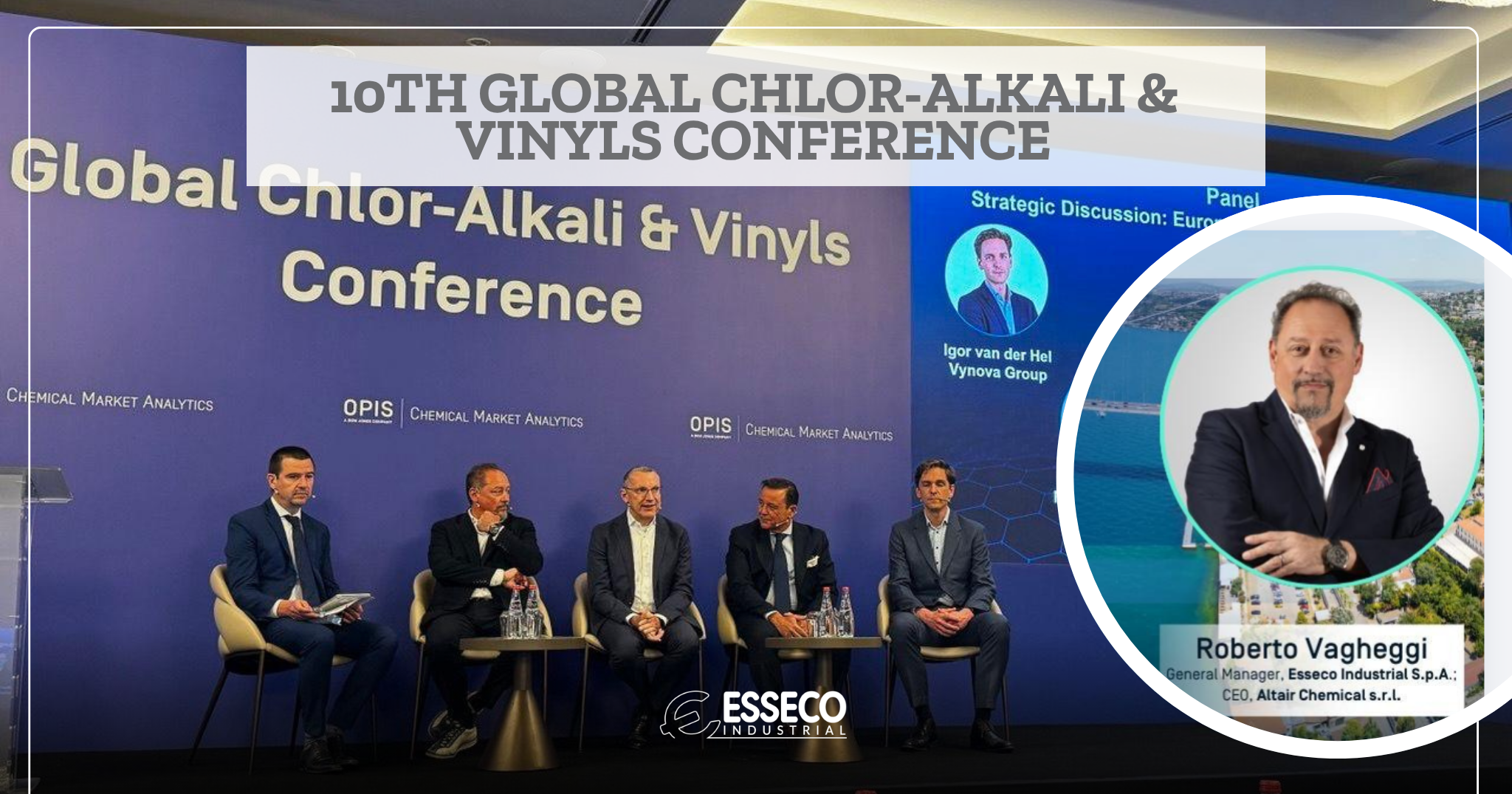
During the 10th Global Chlor-Alkali & Vinyls Conference (May 5–6, 2026, Istanbul), Roberto Vagheggi — General Manager of Esseco Industrial and CEO of Altair Chemical (Chlor-Alkali Division) — shared the experience of the holding, highlighting how long-term strategic choices can turn a crisis into a competitive advantage.
Over the past decade, Esseco Industrial has focused on two key pillars: energy independence and efficiency. A path launched in 2019, which proved decisive during the 2022 energy crisis and today translates into a stronger competitive positioning.
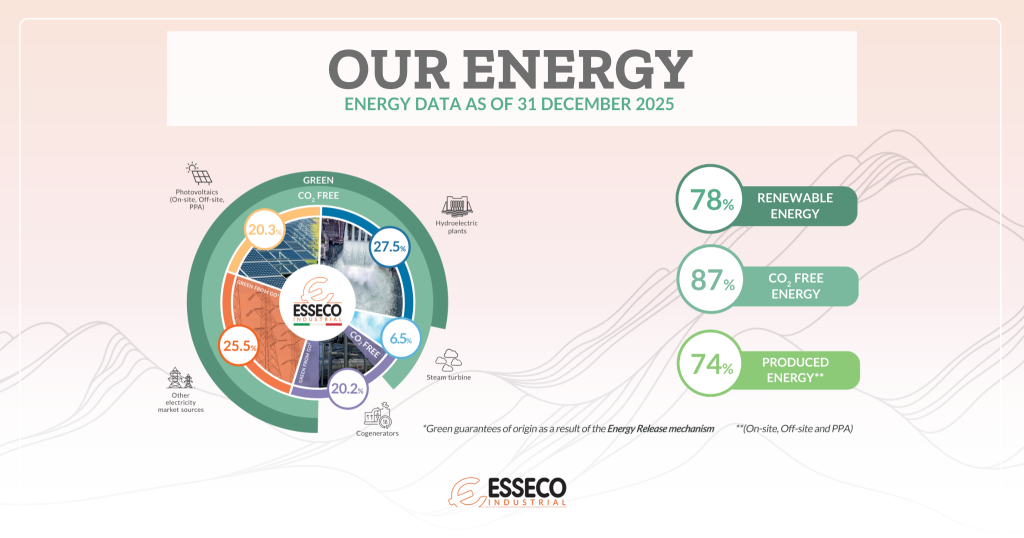
This strategy has enabled to produce 75% of its energy, with 58% coming from renewable sources and 60% being CO₂-free.
At the same time, Europe faces structural issues that continue to undermine competitiveness: burdensome bureaucracy causing unacceptable delays in industrial projects, antitrust regulations that prevent consolidation among competitors — leaving production fragmented, undersized and increasingly exposed to competition from Asia and North America — as well as limited gas availability and significant differences in energy and fiscal costs across EU countries.
Looking ahead, the key challenges for the chemical industry include strengthening energy self-production, fostering industrial consolidation, and adopting an increasingly global regulatory and competitive perspective.
In a market shaped by oversupply and rapid change, the real difference will not lie in the ability to react, but in the ability to be prepared.