A history of more than a hundred years
Esseco Industrial’s companies, with a history of more than a century, continue to evolve and innovate, maintaining a constant commitment to sustainability and international expansion.
Their ability to adapt and grow over time makes Esseco Industrial a key player in the global chemical sector.
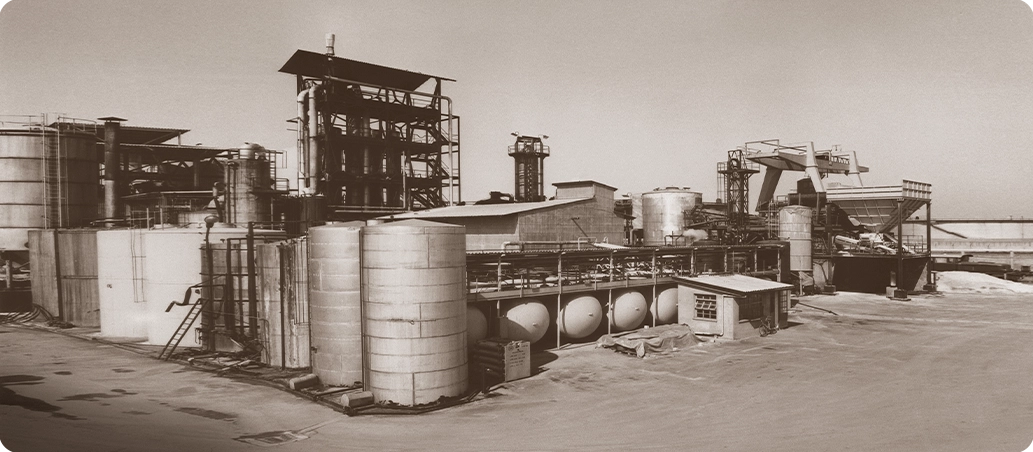
It all began in the 20s of the twentieth century thanks to the joining of forces of Piero Nulli and his uncle Angelo Ferrario as a company specializing in refrigeration systems.
In 1969, the first line for the production of sulfur dioxide (SO2) from pyrite was started up in San Martino di Trecate (NO).
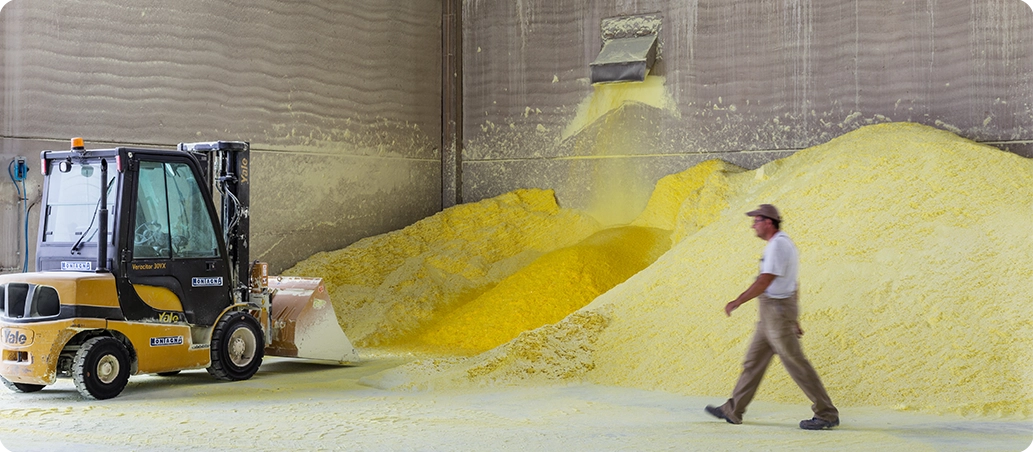
In the 70s, the company began a series of strategic operations to expand its activities: in 1988 it officially became Esseco and in 1996 it acquired the production site in San Cipriano Po (PV), specialized in the grinding and micronization of sulfur.

In the 2000s, expansion continued with the founding of Esseco USA in Parsippany, New Jersey, marking the beginning of a significant international presence.
The industrial holding company Esseco Group was established, bringing together all the production and commercial entities in Italy and abroad.
Subsequently, the acquisition of the Wakefield site in the UK, later renamed Esseco UK, took place.
In Italy. The production business was expanded by acquiring the Saline di Volterra (PI) site, a plant that revolutionized the European landscape as the first producer of caustic potash and chlorine derivatives through membrane electrolysis, eliminating mercury from its products, and still among the most advanced in the world.
In the following years, the production site was enhanced with: increased production of chlor-potassium electrolysis; chlorine-paraffin plants, potassium flakes (KOH), and NaOH.
In San Martino di Trecate (NO), the new plant for the production of sodium hydrosulphite was started.
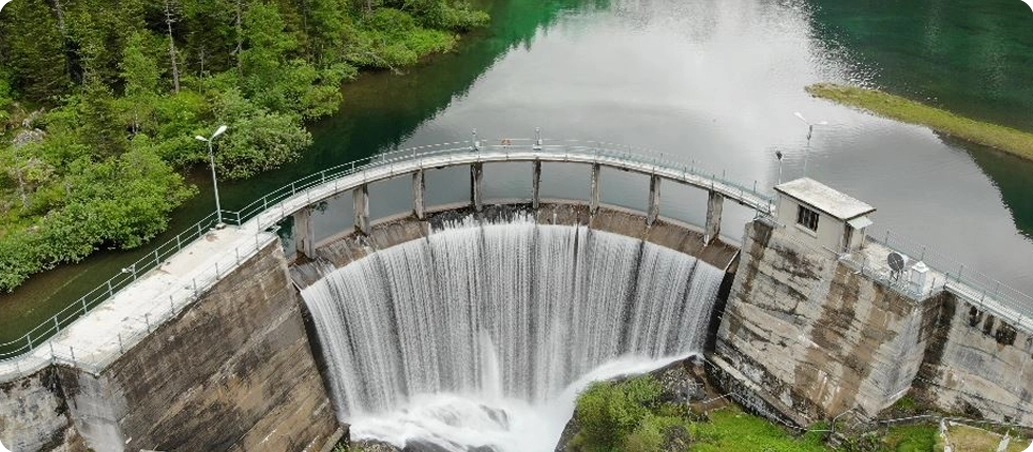
Production assets in Italy expanded with the acquisition of the Pieve Vergonte (VB) plant from a crisis table, increasing production capacity in the chlor-alkali sector and benefiting from two hydroelectric power plants owned by the company.
Abroad. In these years, Esseco Brasil, Esseco France, and Altair Iberica were established, and a commercial structure was opened in Central America.
At the same time, Addcon was acquired, a German chemical company with two plants (Germany and Norway) and three Asian distribution branches (Hong Kong, China, and Thailand).
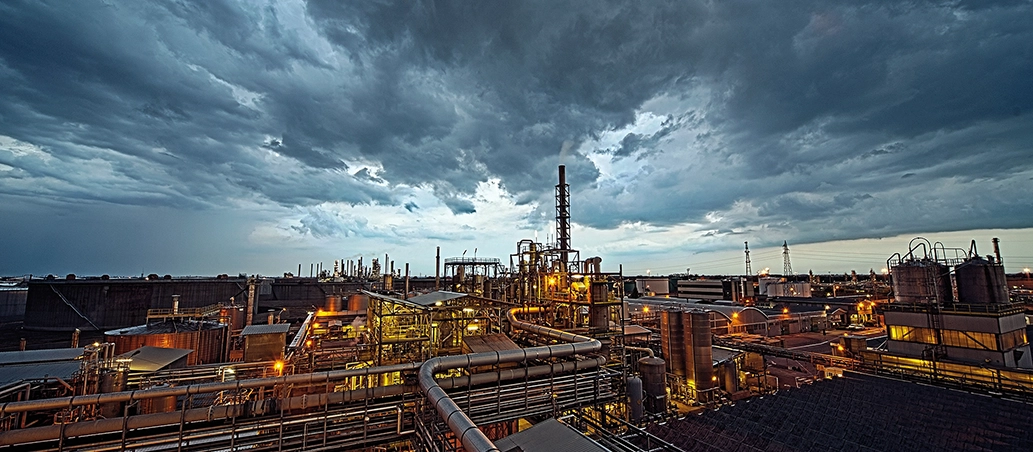
In 2021, despite the concurrent pandemic, investments (over 50 million euros) were completed in record time for the relaunch of the Pieve Vergonte (VB) site and the transition to membrane cell technology for the elimination of mercury, thus enhancing the production capacity of chloroaromatics.
In 2022, the Esseco Industrial division was born.
The company Esseco incorporated the Zolfindustria plant in San Cipriano Po (PV), already part of the Esseco Group.
In January 2024, Altair Chemical was established, encompassing the Pieve and Saline di Volterra (PI) plants, strengthening synergies between production sites.
The companies of the industrial division are strongly pushing investments in renewable energy with on-site photovoltaic plants, Power Purchase Agreements (PPA), and the Renewability project. The focus on the energy transition, in a hard-to-abate sector, has led Esseco Industrial to use over 55% CO2-free energy in its Italian plants.